February Girl Birthday Mom Messy Bun
As someone who’s stitched hundreds of designs for clients—from boutique baby onesies to Etsy bestsellers—I opened the February Girl Birthday Mom Messy Bun file with quiet curiosity. Not hype, not assumptions—just the kind of grounded attention you give a new fabric swatch or thread spool before committing needle and time. This isn’t just another “cute mom graphic.” It’s a mood, a moment, and a very specific kind of handmade storytelling.
A Design That Feels Like a Hug (Not a Hashtag)
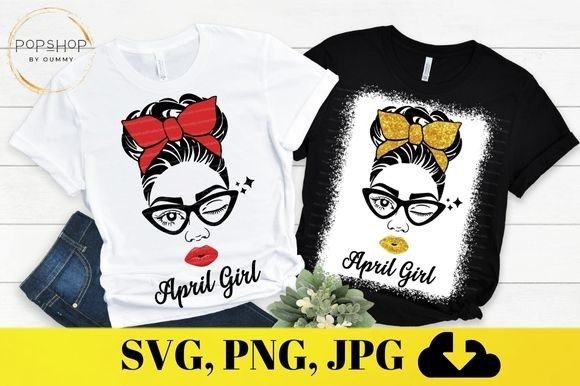
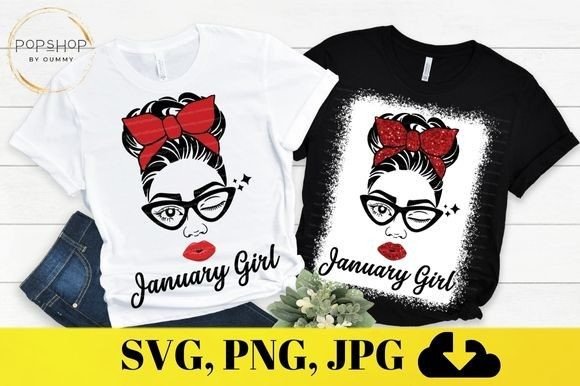
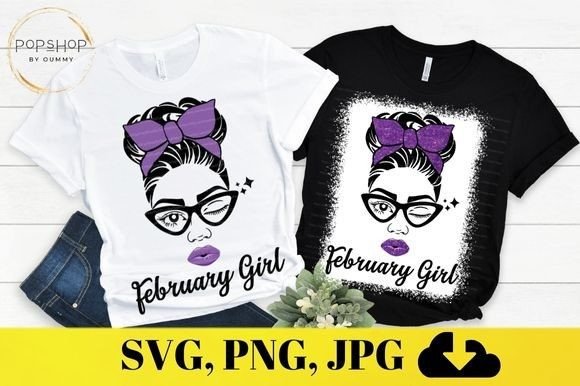
First impression? Warmth. The illustration leans into soft, approachable charm: a stylized girl with a loose, slightly lopsided bun, subtle February-themed accents (think delicate snowflakes or a minimalist “Feb” banner—not heavy winter iconography), and gentle typography that reads “Birthday Mom” without shouting. It’s not overly detailed, but it’s not flat either—the curves in the hairline, the slight tilt of the head, the relaxed posture all suggest care in the vector construction. As a machine embroidery design, this translates well: clean outer lines, open negative space, and no micro-details that’ll vanish under satin stitch or blur on cotton twill.
I immediately pictured it on a heavyweight organic cotton tote bag—stitched just below the handle seam, centered and confident. No need for bling or borders. The design holds its own because it’s *designed* for presence, not clutter. That’s rare in Print Templates meant for broad use. Too many default to busy filler; this one breathes.
Where It Shines (and Where It Asks for Thought)
In real-world embroidery projects, February Girl Birthday Mom Messy Bun lands strongest where authenticity matters more than flash: personalized baby blankets for February-born infants, embroidered sweatshirt pockets for mom-and-me matching sets, or delicate tea towel corners for a small-batch kitchen brand. Its scale and rhythm make it ideal for medium hoop sizes (4x4" to 5x7")—large enough to read clearly, small enough to avoid stabilizer bulk on lightweight knits.
It works beautifully as an applique design too. The central figure has clear silhouette integrity, so cutting and layering would feel intuitive—not fussy. And because the layout avoids tight clusters of tiny lettering or nested shapes, it stitches cleanly on textured fabrics like terry cloth or linen-look tea towels without snagging or skipped stitches.
But—and this is where experience kicks in—it’s not universally forgiving. On highly stretchy fabric (like ribbed jersey tees), I’d add light tear-away + cutaway stabilizer combo and reduce top tension slightly. On dark fabric, test your thread colors early: the original palette likely assumes light backgrounds, so switching to heathered gray or navy requires checking contrast in your embroidery software preview *before* hooping. And skip curved surfaces like structured caps unless you’re using a cap frame and have tested the distortion on scrap first—the bun’s soft edges can warp if stretched across a dome.
What It Does for Your Craft Business
This isn’t just decoration. It’s a subtle trust-builder. When a customer sees February Girl Birthday Mom Messy Bun stitched cleanly on a handmade pillow cover or nursery print, they register intention—not mass production. That elevates perceived value. For Etsy sellers, it’s a smart differentiator in the “mom birthday” niche: warmer than clipart, simpler than over-rendered illustrations, and far more ownable than generic fonts.
It also supports brand consistency. Because the line work is confident and the spacing generous, it scales down to 3x3" for patches or up to 6x6" for apron pockets without losing legibility. That flexibility means one digital embroidery file can serve multiple product lines—no need to buy three versions. And since it’s delivered as a single ZIP with SVG, PNG, and JPG, you’ve got options: SVG for Cricut/Silhouette cutting, PNG for printable mockups, JPG for social previews—all supporting one cohesive craft business workflow.
Practical Notes from the Hoop
Before stitching your first February Girl Birthday Mom Messy Bun project, here’s what I do—and recommend:
- Test on scrap fabric first, especially if using textured or dark material—stitch density affects how “soft” the messy bun looks versus how “crisp” the lettering stays.
- Review fill stitch areas: look for any unintentional nesting or overlapping paths that could cause thread buildup on dense sections.
- Confirm hoop size compatibility with your machine—some versions may push the upper limit of standard hoops.
- Inspect small details like snowflake outlines or hair strands at 200% zoom in your embroidery software—make sure they’re stitchable, not just screen-pretty.
- Mock it in black and white to gauge contrast on both light and dark backgrounds—this reveals hidden legibility gaps.
- Use proper stabilizer: medium-weight cutaway for knits, tear-away for stable wovens, and always match stabilizer weight to fabric drape.
- Verify licensing: while the description confirms it’s for physical finished products (not reselling the digital file), double-check before listing on Etsy or wholesale platforms—some marketplaces require explicit commercial-use documentation.
Remember: this is a Graphics asset designed for real making—not just downloading. Its strength lies in how quietly it supports your voice as a designer, not how loudly it announces itself. Whether you're stitching a one-of-a-kind birthday gift or building a small shop collection around seasonal mom themes, February Girl Birthday Mom Messy Bun earns its place by being thoughtful, adaptable, and unmistakably human.