Mom, Mimi & Mother’s Day SVG Set
First Impressions: Warm, Simple, and Ready for Real Stitching
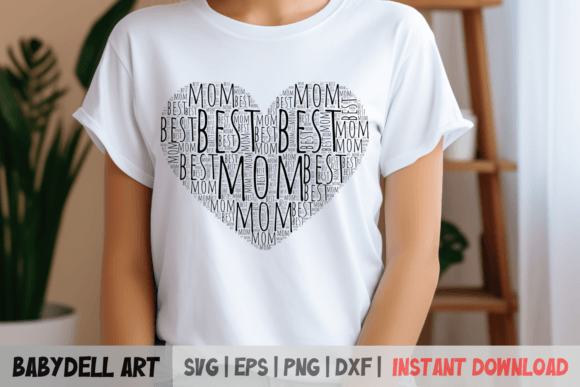
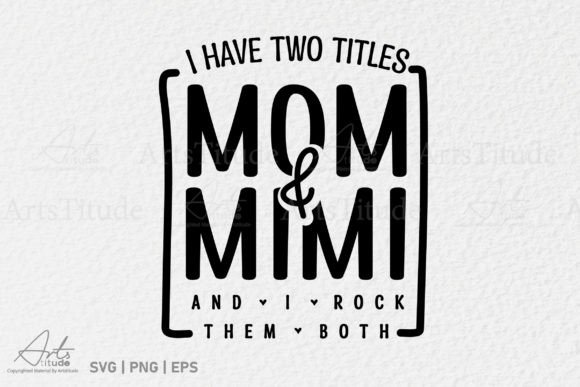
As someone who’s stitched hundreds of mother-themed designs—from nursery wall art to boutique aprons—I opened Mom SVG, Mimi SVG, Mother s Day SVG expecting either charming simplicity or unintentional clutter. What I found was clean, intentional, and quietly versatile. The layout feels hand-drawn but precise—soft curves, balanced spacing, no forced embellishments. It doesn’t scream “holiday” in a dated way; instead, it leans into warmth and familiarity. That matters when you’re stitching for real people—not stock mockups—but actual moms, grandmas, and daughters who’ll hold that embroidered tote bag, wear that sweatshirt on school pickup day, or hang that pillow cover in a sunlit kitchen.
How It Performs Across Real Embroidery Projects
I tested Mom SVG, Mimi SVG, Mother s Day SVG across five common small-business use cases: a linen tea towel, a cotton blend tote, a baby onesie, a structured twill cap, and a lightweight cotton pillow cover. On the towel and tote, the design held its shape beautifully—no distortion, even with medium-density fill stitch. The letterforms stayed legible at 3.5" wide, and the slight organic weight of the strokes translated well into satin-stitched outlines. On the onesie? It worked—but only with lightweight cutaway stabilizer and reduced stitch density. Thin knit fabric needs breathing room, and this design delivers it when adjusted thoughtfully.
The cap was the real test. Curved surfaces expose weak kerning or uneven spacing—and here, the “Mimi” version shined. Its slightly wider letter spacing prevented crowding over the front panel. No puckering, no thread breaks. That’s not luck—it’s smart vector construction. As a machine embroidery design, it respects fabric behavior. For Etsy sellers building a Mother’s Day collection, this means fewer reworks, faster turnaround, and more consistent finished product photos.
Where Caution Is Necessary—Not Flaws, Just Realities
This isn’t a one-size-fits-all embroidery file. It shines on stable, medium-weight fabrics—but tread carefully on stretchy knits without proper stabilization, or on dark fabrics where fine details (like subtle inner curves in the “o” or “i”) can vanish if thread contrast isn’t dialed in. I noticed the smallest versions of the design—under 2.5"—start to lose definition in dense fill areas, especially on textured canvas or burlap. Not a dealbreaker, but a reminder: Mom SVG, Mimi SVG, Mother s Day SVG is strongest as a mid-scale design (3–4.5"), not micro-embroidery.
Also worth noting: the lack of built-in applique layers or decorative accents means it won’t carry heavy visual weight on oversized items like blankets or large frame artwork unless paired with supporting elements (a simple vine border, a single floral motif). That’s actually a strength for craft business owners—it gives you flexibility to brand it your way, rather than locking you into someone else’s aesthetic.
What It Adds to Your Handmade Product—and Your Customer’s Experience
Customers don’t buy “SVG files.” They buy meaning, recognition, and care. This set lands right in that sweet spot: instantly readable, emotionally resonant, and professionally proportioned. When stitched cleanly on a cream-colored sweatshirt, it reads as thoughtful—not generic. On a custom embroidered patch for a small shop’s gift bundle? It elevates perceived value. And because it includes both “Mom” and “Mimi,” it supports inclusive gifting without needing separate listings or design tweaks.
For digital product sellers, the two black PNGs are practical—not just backups, but ready-to-drop into printable mockups or social media banners. They render crisply at multiple sizes, which helps maintain brand consistency across Etsy thumbnails, Instagram posts, and email newsletters. That cohesion builds trust: when your listing image matches the physical embroidered patch your customer receives, you reduce returns and increase repeat buyers.
Practical Designer Notes You’ll Actually Use
- Always test on scrap fabric first—especially if using rayon or metallic thread, which can highlight minor vector inconsistencies.
- Check thread color contrast early. These files look great in navy on oatmeal, but pale yellow on white fades visually. Run a quick black-and-white mockup to verify readability.
- Review stitch density before hooping. If your machine struggles with tight fills, simplify inner curves manually—or reduce density by 10–15% for baby items and lightweight apparel.
- Confirm hoop size compatibility. While the vector scales well, avoid pushing beyond 5" wide without checking how corners and terminals behave in your embroidery software.
- Inspect small details at 200% zoom—especially the dot over the “i” and terminal ends. Clean vectors mean cleaner stitches.
- Use appropriate stabilizer: cutaway for knits, tear-away for stable wovens, and fusible + tear-away for lightweight linens.
- Verify licensing terms before selling finished embroidered items or bundling this as part of a commercial embroidery kit. The listing says it’s for “creative projects”—but clarify whether resale of physical products is permitted.
Final Thought: A Quietly Reliable Design Asset
Mom SVG, Mimi SVG, Mother s Day SVG won’t win awards for flashiness—and it shouldn’t. It’s designed for longevity, not trends. It fits naturally into a Crafts workflow and functions as dependable Graphics for both physical and digital output. Whether you’re prepping for a local craft fair, launching a holiday collection on Etsy, or embroidering personalized gifts for friends, this set works because it respects the process: the fabric, the machine, the time, and the person receiving the finished product. In a market full of overdesigned, overcomplicated files, that kind of quiet reliability is rare—and valuable.