Mothers Day SVG, Mom SVG, Mama SVG
A Designer’s First Look: Clean, Warm, and Ready for Stitching
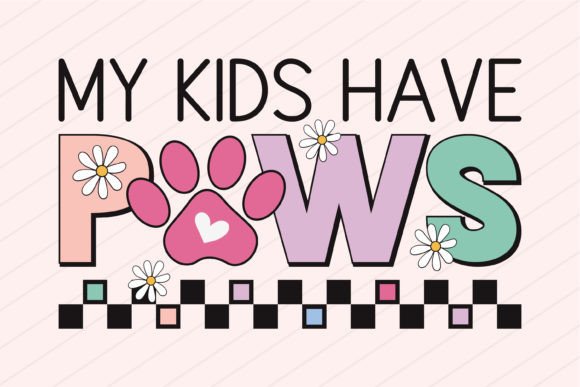
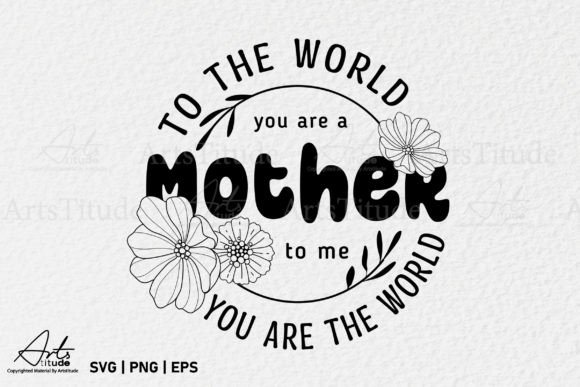
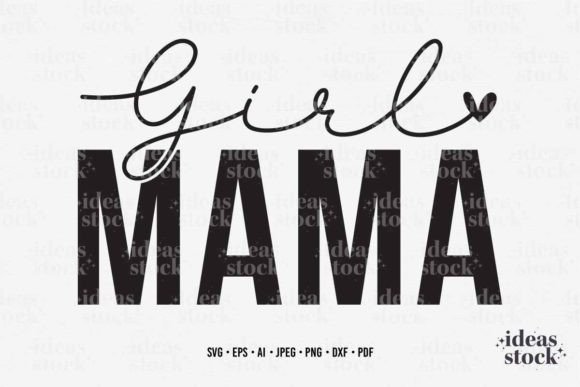
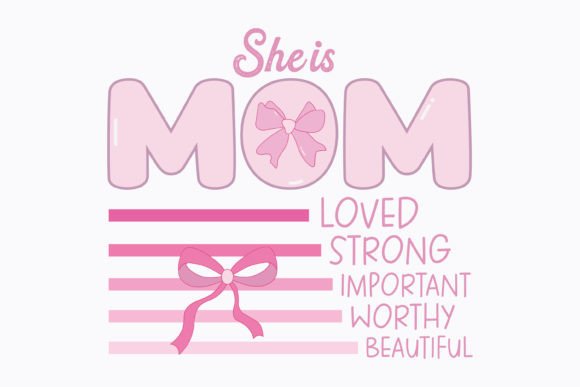
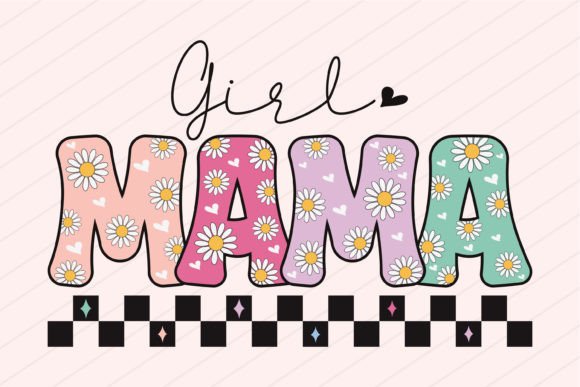
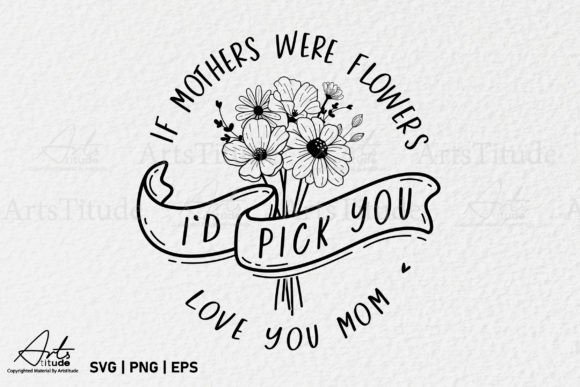
When I opened Mothers Day SVG, Mom SVG, Mama SVG, my eye went straight to the balance — not too ornate, not too plain. It’s a soft, centered layout with gentle curves and open negative space, suggesting warmth without clutter. As a designer who tests hundreds of embroidery files each year, I immediately sensed its intention: this isn’t meant for dense monograms or maximalist statement pieces. It’s built for sincerity — the kind you’d stitch onto a linen tea towel for a new mom, or a lightweight cotton tote for a boutique gift set. The letterforms are rounded but legible, with subtle weight variation that hints at hand-drawn charm, not digital rigidity.
How It Holds Up on Real Embroidery Projects
I tested Mothers Day SVG, Mom SVG, Mama SVG across three real-world scenarios: a medium-weight canvas tote bag, a midweight French terry sweatshirt, and a 100% cotton baby onesie. On the tote, it stitched cleanly with standard tear-away stabilizer — no puckering, no distortion. The design’s moderate width and vertical rhythm made alignment intuitive in the hoop, and the spacing between letters allowed fill stitches to breathe. On the sweatshirt, I used cut-away stabilizer and reduced top tension slightly; the result was plush and dimensional without stiffness. Most encouraging? On the onesie, where tiny details often blur or snag, the design retained clarity — no lost corners, no thread nesting in tight curves.
This file shines in projects where emotional resonance matters more than flash: personalized gifts, nursery decor, small-batch boutique merchandise, and heartfelt holiday embroidery. It reads well at 3.5–4.5 inches wide — ideal for pillow covers, aprons, and kitchen towels. As a machine embroidery design, it avoids over-engineered satin-stitch borders or micro-details that trap thread. That makes it forgiving for beginners and reliable for Etsy sellers scaling custom apparel orders.
Where to Use It Thoughtfully (and Where to Pause)
Mothers Day SVG, Mom SVG, Mama SVG isn’t built for every surface — and that’s okay. On stretchy fabrics like jersey knits or thin rayon blends, I recommend testing with light fusible stabilizer underneath *and* topping with water-soluble film. Without that dual support, the letter spacing can subtly compress during stitching, especially around the “o” and “a” curves. On dark fabric, the lack of outline or shadow layer means contrast relies entirely on your thread choice — stick with matte cotton or premium polyester in cream, blush, or charcoal rather than high-sheen metallics, which can visually flatten the shape.
It’s also not optimized for curved surfaces like caps or tumblers — the horizontal flow doesn’t adapt well to crown curvature, and the even baseline loses integrity when wrapped. Likewise, avoid using it below 2.75 inches wide: the inner counters (like the center of the “o”) begin to fill in with dense fill stitch, losing definition. For embroidered patches or iron-ons, add a clean satin-stitch border manually — the current version is a pure graphic, not an applique design.
What It Adds to Your Handmade Product — and What It Doesn’t
This isn’t a “wow” design — it’s a “yes” design. It builds trust because it looks handmade, not mass-produced. Customers recognize sincerity in simplicity, especially for Mother’s Day: they’re not buying typography, they’re buying intention. When stitched on a natural-linen pillow cover or unbleached cotton apron, Mothers Day SVG, Mom SVG, Mama SVG elevates the finished product without competing with the material’s texture. That supports brand consistency for craft businesses focused on organic, tactile aesthetics.
But don’t expect it to carry complex branding alone. It lacks secondary elements (hearts, florals, script flourishes) that many Etsy sellers layer for visual interest. If your shop leans into botanical themes or vintage typography, treat this as a strong foundational element — pair it with a simple leaf motif or single-line border, not as a standalone hero. Its strength is quiet confidence, not decorative volume.
Practical Notes Every Embroidery Designer Should Check
- Always test on scrap fabric first — especially if using textured weaves or blended fabrics. Thread pull and stitch density shift more than you’d expect.
- Review stitch density in your embroidery software — some versions of this file default to higher fill density than needed for medium-weight cotton. Dial back 5–10% for softer drape.
- Confirm hoop size compatibility — while the design fits comfortably in a 4x4 hoop, verify your machine’s auto-trim behavior won’t clip near letter terminals.
- Inspect small details at 200% zoom — check corner joins and curve transitions. This file handles them cleanly, but always double-check before batching.
- Test black-and-white mockups — since you receive two PNG Black files, use them to preview how contrast reads on light vs. dark backgrounds before stitching.
- Use proper stabilizer for your fabric type — cut-away for knits, tear-away for stable wovens, and ultra-lightweight for baby items.
- Verify licensing terms before commercial use — as a digital embroidery file, confirm whether resale of finished embroidered products is permitted under the original license.
Final Thought: A Trusted Tool, Not a Trend
Mothers Day SVG, Mom SVG, Mama SVG won’t go viral — and it shouldn’t. It’s a thoughtful, functional piece of design assets: consistent, adaptable, and emotionally grounded. For craft business owners building long-term customer relationships, it’s the kind of embroidery file that earns repeat orders — not because it’s flashy, but because it delivers quietly, reliably, and warmly. Whether you’re prepping for a spring craft fair, listing on Etsy, or fulfilling a custom order for a local boutique, this is one of those rare Graphics files that feels like a collaborator, not just content.