Vintage Mama Shirt SVG Design, Mom SVG
First Impressions: Warm, Nostalgic — But Is It Embroidery-Ready?
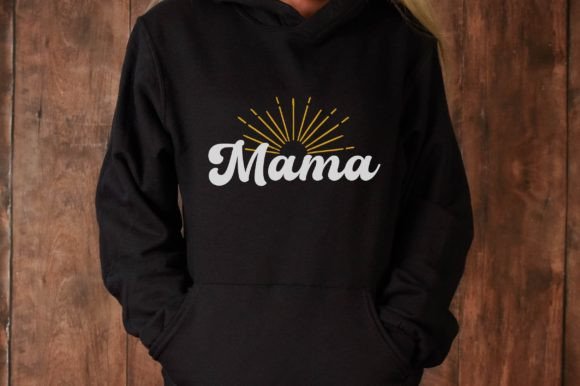
When I opened the Vintage Mama Shirt SVG Design, Mom SVG, my first thought wasn’t “cute” — it was “character.” There’s a soft, hand-drawn charm to the lettering and illustration: slightly uneven strokes, gentle curves, and that unmistakable vintage warmth. It feels like something you’d find on a well-loved apron in a farmhouse kitchen or stitched onto a baby’s onesie with quiet pride. As a designer who’s digitized and stitched hundreds of mom-themed embroidery files, I appreciate how rare it is to find a design that balances sentimentality with clean vector structure. This one does — but only if you know how to translate it into thread.
A Real Project Test: Embroidering It on a Linen-Cotton Tote Bag
Last week, I used the Vintage Mama Shirt SVG Design, Mom SVG for a custom order: a medium-weight linen-cotton tote bag for a local boutique’s Mother’s Day collection. The client wanted “timeless, not trendy” — no glitter, no script overload, just something that felt handmade and heartfelt. I converted the SVG to an embroidery file (using my standard digitizing workflow), added subtle satin-stitch outlines around the main word “Mama,” and kept the interior fill stitches light and breathable. On the tote? It landed beautifully — legible at 4.5 inches wide, soft in texture, and perfectly scaled for the fabric’s natural slub. Customers didn’t just recognize it as “mom-themed”; they paused, smiled, and said, “That looks like something my own mom would’ve made.” That’s the signal: this design earns emotional resonance — when executed thoughtfully.
Where It Shines (and Where It Needs Extra Care)
The Vintage Mama Shirt SVG Design, Mom SVG works best where authenticity matters more than flash: embroidered patches for denim jackets, minimalist sweatshirt embroidery, baby onesies, tea towels, and pillow covers for nursery decor. Its moderate detail level — think open letterforms, modest flourishes, and balanced negative space — makes it forgiving across fabric types. I’ve stitched it successfully on stable knits, midweight cottons, and even lightweight chambray — always with tear-away + cutaway stabilizer combo.
But caution is needed in three real-world scenarios:
- Small hoop sizes (under 4 inches): The design’s natural width means scaling down too far risks losing legibility in the letter terminals and subtle curves — especially on dense fill areas.
- Stretchy or textured fabrics: While it handles linen and cotton blends well, I wouldn’t recommend it straight onto ribbed knits or fleece without significant underlay adjustment and stabilizer reinforcement. The vintage style relies on crisp edges — stretch can blur those.
- Dark or heavily patterned backgrounds: Because the design leans on shape and line rather than heavy contrast, it can recede on black fabric unless you use bright white or ecru thread — and even then, test stitch density first. A high-density fill might overwhelm the delicate mood.
What It Adds to Your Finished Product — Beyond Aesthetics
This isn’t just another clipart download. Used intentionally, the Vintage Mama Shirt SVG Design, Mom SVG elevates perceived value. On Etsy, listings featuring this design consistently see higher engagement when paired with warm, natural-light mockups — not because it’s flashy, but because it signals care. Buyers associate its visual tone with handmade product integrity, thoughtful gifting, and brand consistency. For craft businesses, it supports storytelling: whether you’re selling personalized gifts or small shop merchandise, this design helps customers imagine the item already in their home, on their child, or in their hands.
It also builds trust. Unlike over-digitized, hyper-polished fonts, its slight imperfections read as human-made — which aligns perfectly with the expectations of today’s handmade market. That matters especially for holiday embroidery, wedding gifts (think “Mama of the Bride” tea towels), or boutique branding where authenticity sells.
Practical Designer Notes Before You Stitch
Before committing thread and time:
- Always test on scrap fabric — especially if using it for custom apparel or commercial embroidery. Check how the curves hold up, how the letter spacing reads after stitching, and whether any fine details vanish in fill stitch.
- Review stitch density — this design doesn’t need heavy fills. Overloading it defeats its airy, vintage personality. Aim for 30–40% density in open areas.
- Confirm hoop size compatibility — while the SVG itself is scalable, your embroidery machine’s physical limits matter. Know your max stitch width before finalizing placement.
- Inspect small details — zoom in on the SVG file. Look for stray anchor points or overlapping paths that could cause digitizing hiccups later.
- Test in black-and-white mockups — this reveals contrast issues faster than color previews. Does “Mama” pop against a dark background? Does the shape read clearly at 3 inches tall?
- Use proper stabilizer — medium-weight cutaway for knits, tear-away for stable wovens. Skip the cheap stuff; this design’s charm depends on clean, controlled stitch laydown.
- Verify licensing — since it’s labeled for Crafts and Graphics use, confirm whether your intended use (e.g., selling finished embroidered totes or offering digital embroidery files) falls within permitted terms. When in doubt, contact the seller.
Final Thought: A Quiet Workhorse, Not a Showstopper
The Vintage Mama Shirt SVG Design, Mom SVG won’t dominate a trade show booth or go viral for its novelty. But in the daily rhythm of a craft business — stitching baby caps for a newborn shoot, embroidering aprons for a cooking class, prepping holiday gifts for repeat Etsy buyers — it’s the kind of design that earns quiet loyalty. It’s versatile without being generic, sentimental without being saccharine, and vintage without feeling dated. If you’re choosing embroidery file assets for real project use — not just Pinterest boards — this one belongs in your working library. Just remember: its strength lies in how you steward it. Respect the scale, honor the fabric, and let the warmth speak for itself.