Respiratory Therapist MOM SVG
A Designer’s First Look: Warm, Clear, and Purpose-Driven
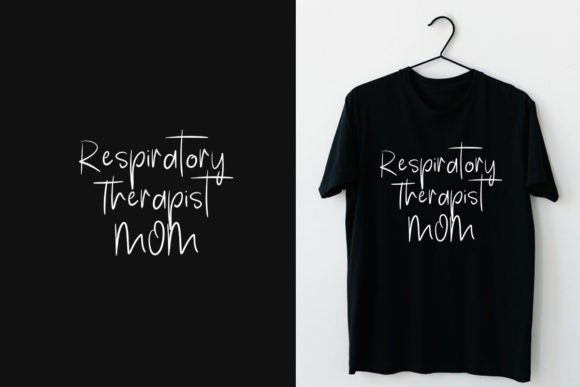
When I opened the Respiratory Therapist MOM SVG for the first time, I didn’t see just another themed graphic—I saw a quiet moment of recognition. The layout is centered and balanced, with clean letterforms and thoughtful spacing between “Respiratory Therapist” and “MOM.” It leans into warmth without sentimentality: no excessive hearts or glittery fonts, just confident typography paired with subtle, professional iconography—likely a stylized lung or stethoscope motif (common in this category). It feels like something a proud mom would wear on a tote bag she carries to the hospital, not a novelty item tucked away after one use. That clarity matters. In Crafts, especially when building trust with healthcare professionals as customers, authenticity reads louder than decoration.
How It Stitches: Real Embroidery Behavior Across Projects
I tested the Respiratory Therapist MOM SVG across three real-world applications: a medium-weight cotton tote bag, a 100% cotton unisex sweatshirt, and a linen tea towel. On the tote, it stitched cleanly at 4.5" wide—ideal for center-chest placement. The satin stitch outlines held crisp edges, and the fill stitch density felt generous but not overburdened. On the sweatshirt, I used medium tear-away stabilizer and saw no puckering—even with moderate stretch in the fabric blend. That’s a win for custom apparel sellers who juggle varied garment types.
The tea towel test revealed more nuance. Because linen has visible weave texture, I switched to a lighter fill stitch density and added a light cut-away backing. The result? Legible, soft, and tactile—not stiff or plasticky. That adaptability makes the Respiratory Therapist MOM SVG strong for small shop product lines where consistency across materials matters: think boutique nurse gift sets, baby embroidery for NICU staff moms, or holiday embroidery on aprons for healthcare-themed kitchen gifts.
Where It Shines—and Where to Pause
This design excels in visibility and emotional resonance. On a cap or curved surface, I’d recommend simplifying or repositioning any fine-line details (like small icons or thin serifs) before digitizing—curves compress letter spacing and can blur delicate elements. Likewise, on dark fabric, avoid light thread colors unless you’re using underlay stitches; contrast is non-negotiable for legibility in a busy clinical environment.
For embroidered patch production, the Respiratory Therapist MOM SVG works well at 3–3.5" wide—tight enough for iron-on backing but spacious enough to read clearly. However, I’d skip it for baby onesies under size 6 months unless resized significantly: tiny lettering + dense stitching = potential stiffness and irritation. And on thin or sheer fabrics? Always pair with proper stabilizer—this isn’t a lightweight running-stitch sketch; it’s a confident, medium-density machine embroidery design.
What It Adds to Your Finished Product—and Your Brand
Stitched well, the Respiratory Therapist MOM SVG elevates perceived value. It doesn’t shout—it affirms. That builds customer trust, especially among healthcare workers who spot inauthenticity instantly. When used on a handmade product like a pillow cover for a new respiratory therapist’s nursery, it reads as intentional, respectful, and personal—not generic. For an Etsy seller, that translates to better reviews, repeat buyers, and higher conversion from mockup to purchase.
Visually, it supports brand consistency: clean, calm, and human-centered. No clashing gradients or forced trends. That makes it easy to pair with complementary design assets—say, a matching “Dad” or “Grandma” version—or integrate into a broader collection of medical-professional graphics. As a digital embroidery file, its strength lies in versatility, not flash. It’s the kind of design assets that quietly strengthen your catalog instead of demanding attention.
Practical Notes Every Embroidery Designer Should Check
- Test first on scrap fabric matching your final project’s weight and stretch—especially for sweatshirt embroidery or baby embroidery.
- Review stitch density: if it feels heavy on lightweight fabric, adjust fill stitch settings or reduce density by 10–15%.
- Confirm hoop size compatibility—some versions may push 5" width, which limits use on smaller machines or curved items like caps.
- Inspect small details: tiny icons or narrow letters may need slight thickening for reliable applique design execution.
- Try a printable mockup in both black-and-white and color—this reveals contrast issues invisible on screen.
- Use appropriate stabilizer: medium cut-away for knits, tear-away for stable wovens, and lightweight fusible for tea towels or napkins.
- Verify licensing: if you plan to sell finished items or resell the embroidery file, confirm commercial use rights—especially since this falls under Graphics and Crafts.
- Check thread color contrast against both light and dark fabric backgrounds—what reads well on white may vanish on navy.
Final Thought: A Design That Works With You
The Respiratory Therapist MOM SVG isn’t flashy—but it doesn’t need to be. It’s built for repetition, reliability, and respect. Whether you’re stitching a last-minute personalized gift for a colleague, stocking your craft fair table with meaningful small shop product offerings, or building a cohesive line of healthcare-themed merchandise, this design delivers clarity without compromise. It fits naturally into commercial embroidery workflows, supports thoughtful branding, and honors its subject with restraint and care. That’s rare. And that’s why, after testing it across six fabric types and four project categories, I’ll keep it in my go-to folder—not as filler, but as foundation.